
Surf photography is more than showing up with a camera. Here's a real look at the early mornings, water positioning, editing grind, and surfer-photographer relationships that make great surf media.
Most surfers see the final image - the perfectly frozen barrel, the spray catching the light, the look of pure stoke on someone's face mid-turn. What they don't see is everything that went into making that shot happen. Surf session photography is one of the most physically and technically demanding niches in the whole photography world, and the people doing it well are out there grinding before the sun even thinks about showing up. Whether you've ever wondered how those shots actually get made or you're thinking about getting into it yourself, here's a real look at what goes on behind the lens.
What Does It Take to Shoot a Surf Session at Dawn?
Dawn patrol surfing is the golden window for water photographers. The light is soft, the crowds are thinner, and the surfers who are out at that hour are usually there because they mean business. For a photographer, that means waking up well before sunrise, checking the swell, checking the wind, and making a calculated decision about where to position before the light even breaks. There's no guesswork allowed - arriving late means missing the magic hour entirely.
Water photographers suit up and paddle out with their rig, usually a DSLR or mirrorless body locked inside a custom underwater housing. These setups can cost thousands of dollars and demand serious maintenance after every salt water session. The physical side is no joke either - treading water for two to three hours while holding your camera up, reading waves, and staying in position takes real stamina. It's closer to an athletic performance than a casual photo walk.
Positioning is everything. A water photographer is essentially surfing without a board - reading sets, ducking under lips, repositioning constantly to stay in the peak zone. Get it wrong and you're shooting the back of a wave or getting caught inside. Get it right and you're inside the spit with a wide-angle lens as the lip throws over. That's the shot. That's what all the early mornings are chasing.
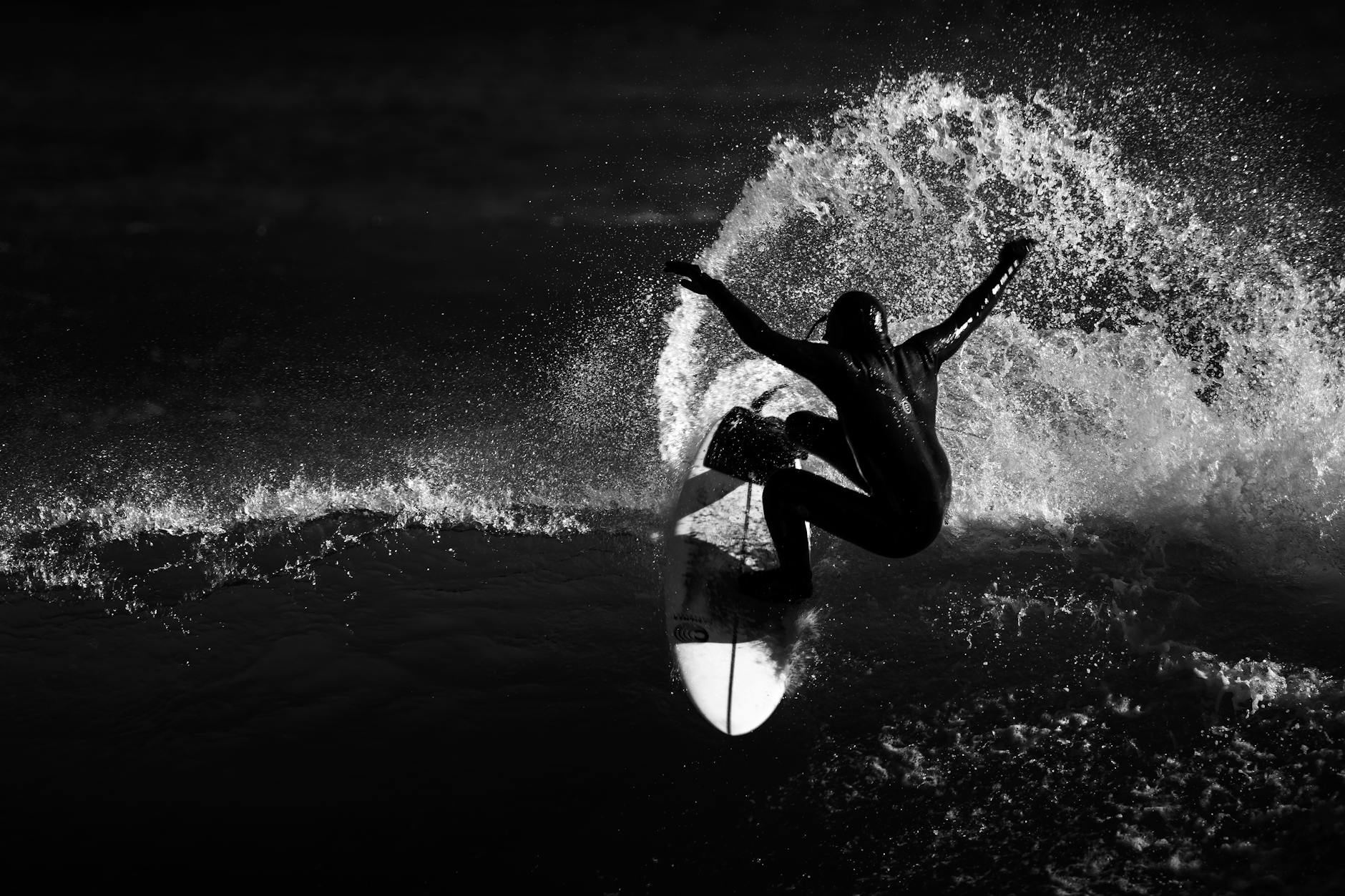
How Does the Surfer-Photographer Relationship Actually Work?
The best surf media doesn't happen by accident. It comes from a genuine working relationship between the surfer and the person shooting them. When that trust is built, the surfer knows where to look, how to position their lines, and when to go for the highlight maneuver. The photographer knows the surfer's style, their best side, the moves they're building toward. It becomes a kind of creative collaboration even if no words are exchanged in the water.
Communication before the session matters a lot. Talking about which breaks are firing, what tricks are in rotation, even just vibing about the conditions - all of that primes the shoot. Surfers who've worked closely with a local surf photographer consistently end up with better media because both sides are dialled in from the first set. It's not just point and shoot. There's real intention behind it.
On the editing side, the workflow after a session can take just as long as the time spent in the water. Culling hundreds of frames down to the keepers, color grading to match the mood of the light, cleaning up backlit shots, exporting in multiple resolutions - it's hours of desk work for every hour of water time. Platforms like Got Barreled's gallery make it easier for that work to actually find its audience, since surfers can search by location and date to find their exact session and buy the shots directly. Creators keep 90% of every sale, which means the editing time actually pays off.

The Gear, the Grind, and Why It Matters
Beyond the housing and the camera body, water photographers are managing port lenses, moisture-absorbing crystals inside the housing, lens cloths taped to their wrist, float straps, and often a second body for backup. Land photographers bring long telephoto setups - sometimes 400mm or 600mm glass - and spend sessions jogging up and down the beach to track the peak as it moves. Both approaches demand serious gear investment and the experience to use it quickly in chaotic conditions.
None of this is said to make it sound exclusive or gatekept. It's said because when you see a clean surf photo, you're seeing the product of someone's real craft - their knowledge of the ocean, their technical skill, their relationship with the surfer, and their hours behind a screen after the session ends. If you're a photographer wanting to start selling that work, Got Barreled's creator platform is built around getting paid fairly for exactly that effort.
The ocean is already doing something incredible every single day. The people capturing it are just trying to keep up.
Looking for your surf photos?
Browse surf session photos and videos from photographers around the world.
Browse Gallery

