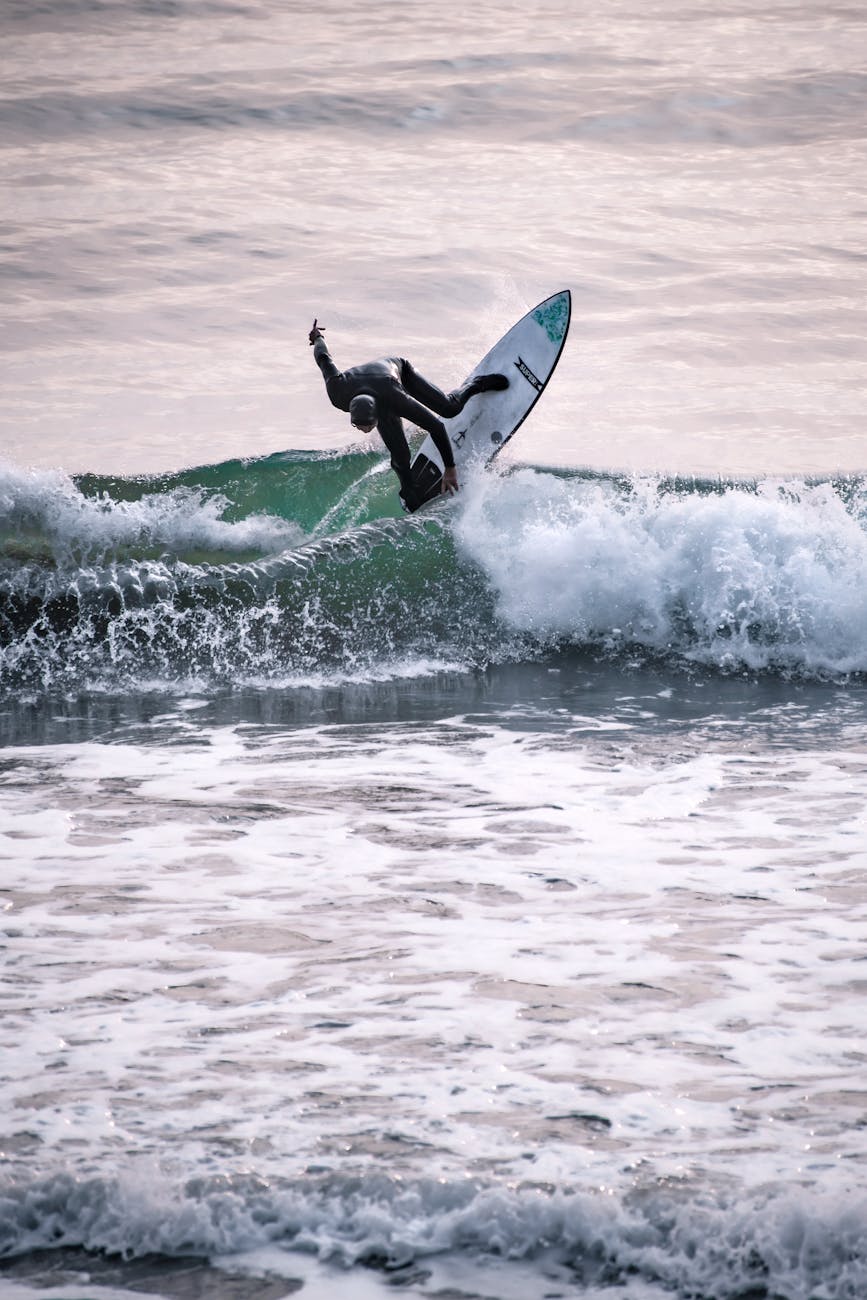
Surf session photography means 4:30am alarms, treading water for hours, and editing until midnight. Here is what really goes into capturing those images.
Most surfers see the final image - the perfectly timed barrel shot, the spray catching golden light - but almost nobody thinks about what it actually took to get that frame. Surf session photography is one of the most physically demanding and technically challenging niches in the whole game. Before you ever get to buy surf photos of yourself, someone was out there in the cold doing serious work long before you even waxed your board.
What Does It Actually Take to Shoot a Surf Session?
The alarm goes off at 4:30am. That is not a typo. Dawn patrol surfing gets all the glory, but for the photographers covering those sessions, the prep starts even earlier. Gear needs to be checked, housing O-rings need to be inspected and greased, and the decision of where to position needs to be made before the light even hints at arriving. Miss any of these steps and you are either wet with a flooded camera, or standing in the wrong spot when the set of the day swings wide.
Water housing photographers paddle out and spend hours treading water while reading waves, reading surfers, and reading light all at the same time. The physical toll is real - you are kicking constantly to hold position, getting caught inside on sets that were meant for the surfer you are shooting, and fighting current while trying to keep your port glass clean. Shore-based photographers have their own battle: dodging tourists, climbing rocks, and fighting telephoto compression to make it look like they are right in the pocket when they are actually 80 metres away on a headland.
Positioning is honestly the whole game. A technically perfect shot from the wrong angle is just a nice photo of a surfer. A slightly grainy shot from inside the keyhole of a barrel, with the lip throwing over the top - that is the one that ends up on walls. Local surf photographers spend years building that spatial knowledge, learning how a specific break moves, where the light lands at 6am in winter versus summer, and which peaks give them the best angle on a backhand snap.

How Does the Surfer-Photographer Relationship Actually Work?
The best surf media comes out of genuine trust between the surfer and the shooter. When a surfer knows someone is out there for them, they surf differently - more committed, more willing to pull into the sketchy ones. That relationship builds over time, through sessions, through early mornings, through the photographer showing up even when the surf is average because consistency is how you earn that trust.
Communication matters more than most people realise. A quick wave or a shout between sets - "I am going to position on the peak, go right on the next set" - can completely change what gets captured. Surfers who understand even basic photography principles tend to get far better results. Things like not backlit positioning when the sun is low, surfing toward the camera rather than away from it, or simply letting the photographer know which sessions they are planning to be in the water.
Platforms like Got Barreled's gallery have actually changed this dynamic in an interesting way. Local surf photographers can upload entire session catalogues, and surfers can search by location and date to find their footage - no existing relationship required. It opens the door for surfers to discover a local surf photographer they did not even know was out that morning, and for creators to build an audience without cold-calling every surfer in the carpark.

The Editing Side Nobody Talks About
Shooting is maybe forty percent of the job. The rest happens on a screen, usually late at night after a full day in the water. Culling hundreds of frames from a single session, pulling the best ten or fifteen, and then editing for colour, contrast, and clarity is genuinely skilled work. Water photographers deal with specific challenges - colour casts from housing glass, backscatter from particles in the water, and the constant need to balance a dark surfer against a blown-out white sky.
Video editing is a whole other level. Syncing clips, cutting to the rhythm of the wave rather than just the music, colour grading LOG footage - it adds hours to every session delivered. When you see that two-minute clip of someone's session and it looks clean and professional, that is the result of someone sitting at a desk long after the salt has dried in their hair.
If you are a photographer doing this work and want to actually get paid for it, Got Barreled keeps 90% of every sale in your pocket with zero upfront fees. That is the kind of model that makes the 4:30am alarms worth setting.
Looking for your surf photos?
Browse surf session photos and videos from photographers around the world.
Browse Gallery

